When Should Someone With Dementia Go Into a Care Home?
Deciding when someone with dementia should move into a care home is a difficult choice that many families will face. It involves balancing safety, well-being and independence with the realities of a progressive condition. Dementia affects every person differently, which means there is rarely a single clear moment when the “right time” becomes obvious. Instead, there are often a series of changes in daily life, health and ability to cope independently that gradually indicate that more specialist support may be needed.
In this blog, we explore the different aspects that may suggest an individual living with dementia may need to relocate to a care home in Hinckley and the benefits this could bring to provide a better understanding to loved ones and help them feel more confident when making a decision.
How Dementia Changes Day-to-Day Life
Dementia affects memory, thinking, orientation and behaviour, and over time these changes can make everyday tasks harder to manage. Activities that once felt seamless, such as washing, dressing, making meals, or taking medication, may become confusing or overwhelming for a person living with dementia. You might notice that they are struggling to keep their home clean or are experiencing malnourishment or increased confusion, which could suggest the need for a higher level of support.
As dementia progresses, difficulties with judgement and potential risks can also increase. This may mean your loved one does not always recognise growing risks at home or understand why they need help. Dementia affects both the individual and their family members or carers, so it is important to understand the impact it has on daily life and the support services available.
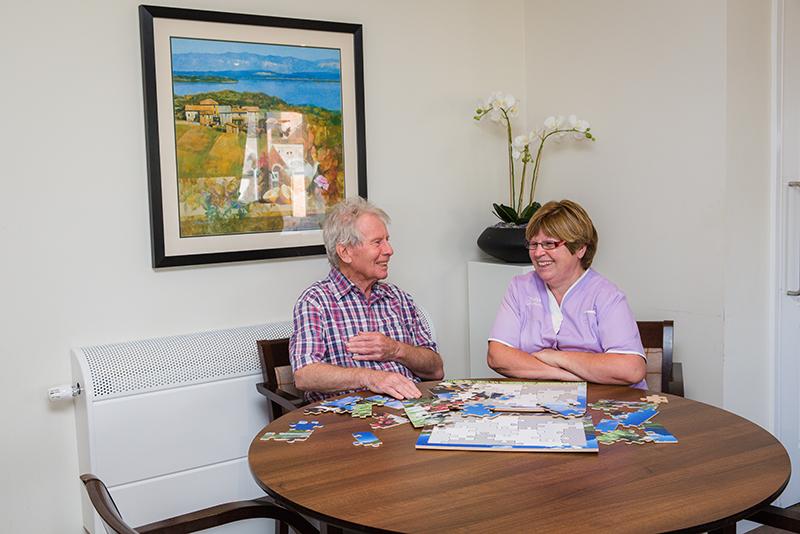
When Should You Consider a Care Home or Nursing Home for Somebody Living With Dementia?
Changes in Personal Care and Safety
One of the clearest signs that a move into a care home may be appropriate is when personal care and safety become difficult to manage. If the person living with dementia is regularly forgetting to wash, change clothes, or manage continence, this can affect their dignity and overall well-being. Repeated incidents, such as leaving the cooker on, wandering outside alone, or getting lost, can pose safety risks and leave both individuals and their loved ones feeling worried.
When Caring at Home Becomes Too Much
Caring for someone with dementia at home can be rewarding, but it is also demanding. Over time, the caring role may begin to affect the main carer’s own health, sleep, relationships and ability to work. It is common for carers to feel guilty about considering additional support, but it actually often improves well-being for both them and their loved ones with dementia.
Increasing Health Needs
Dementia often exists alongside other health conditions, such as diabetes, heart problems, or mobility issues. As these become more complex, managing them at home may become harder. The person with dementia might forget to take medication, miss health appointments, struggle to describe symptoms accurately or experience increased falls. If these concerns remain unsupported, it can lead to a decline in physical and mental health.
Changes in Behaviour, Mood, or Mental Capacity
Dementia can influence mood and behaviour as much as memory. A person with dementia may experience increased anxiety, agitation, confusion, or withdrawal from friends and activities they typically enjoy. They may become distressed by changes in routine or misinterpret everyday situations, which can be difficult for family members to manage without complex health support.
As mental capacity fluctuates, it may also become harder for an individual to make certain decisions about their own care. In these situations, families or professionals would become the person's lasting power of attorney and have to consider what is in their best interests.
Social Isolation and Loss of Routine
Someone with dementia may begin to lose touch with their usual social circles, particularly if they are no longer confident going out alone. Hobbies may fall away and days can often become repetitive or empty. This isolation can have a significant impact on well-being and may accelerate decline in their physical health.
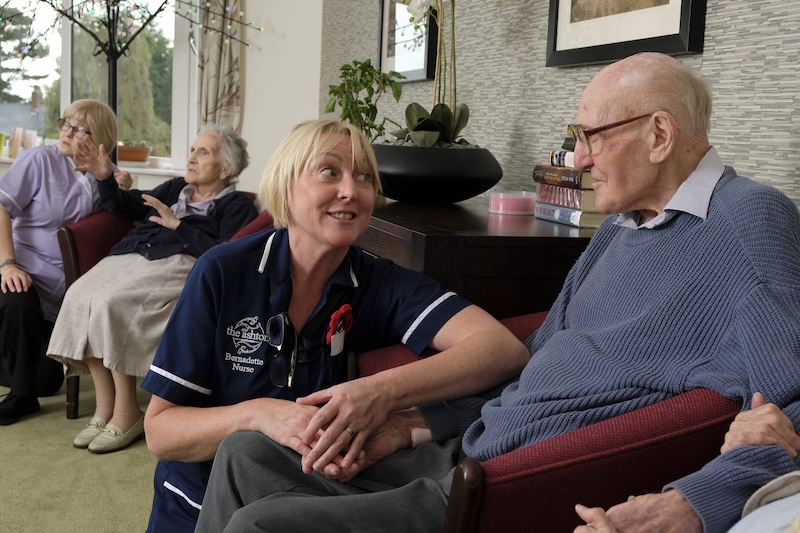
Receiving Support When Choosing a Care Home
For many families, deciding to move someone with dementia into a care home is a difficult and emotional decision. Taking time to talk openly as a family can help everyone feel more comfortable with the decision and be able to put steps in place to help everybody adjust.
Talking to social services, receiving a care assessment, talking to prospective care home teams or seeking advice from dementia charities can also provide insight and reassurance. Everybody understands how difficult the decision can be and are available to help you identify whether the current care options are meeting the person’s needs or whether a move into a care home would better support their well-being and safety.
The Benefits of Moving Into a Dementia-Friendly Care Home
There are several benefits to receiving specialist care in a dementia care home in Leicestershire. One of the biggest is that residents receive continuous support from professional carers who understand all aspects of dementia and can provide personal care that is consistent and personalised. Medication is accurately managed around the clock, meals are prepared to suit special diets or preferences and daily routines are tailored to each individual.
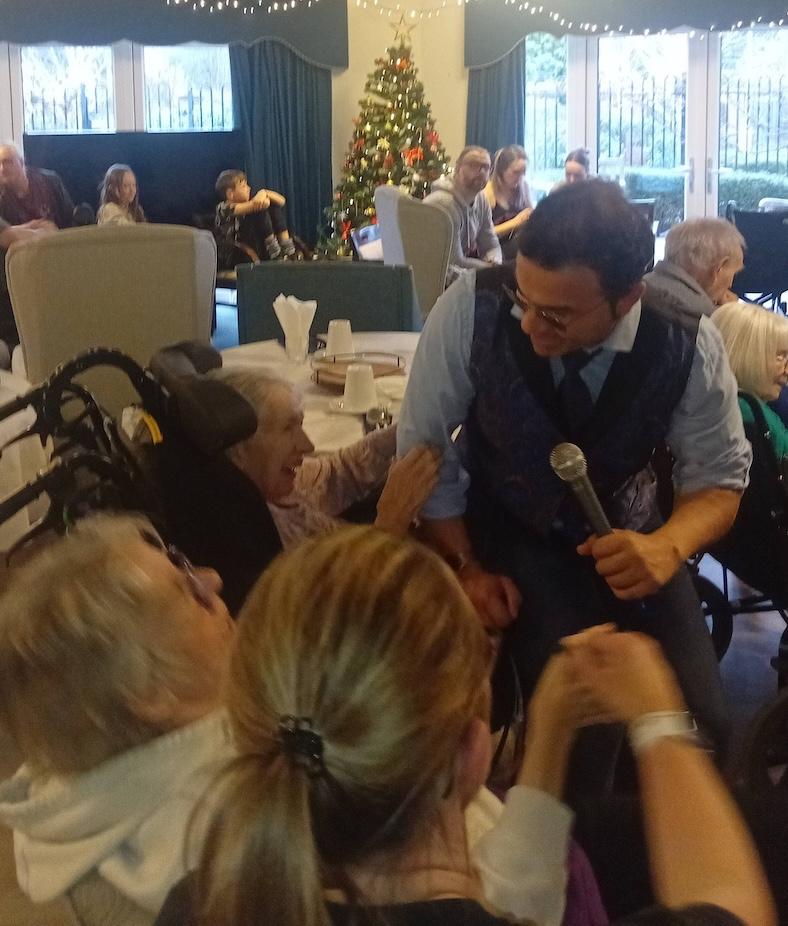
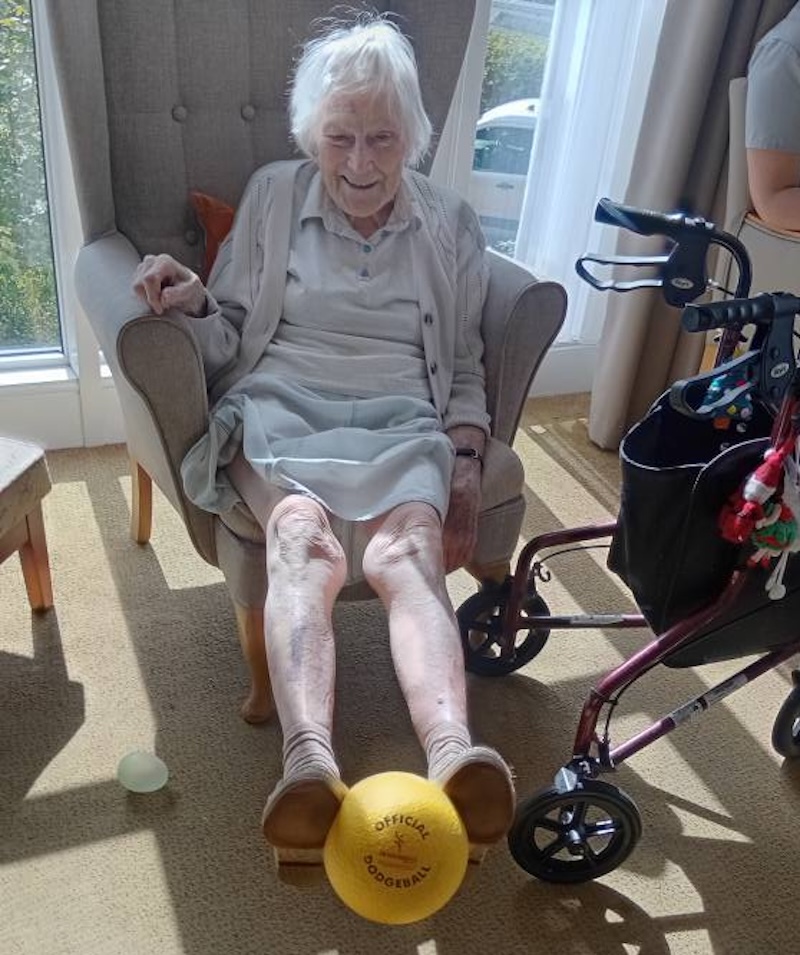
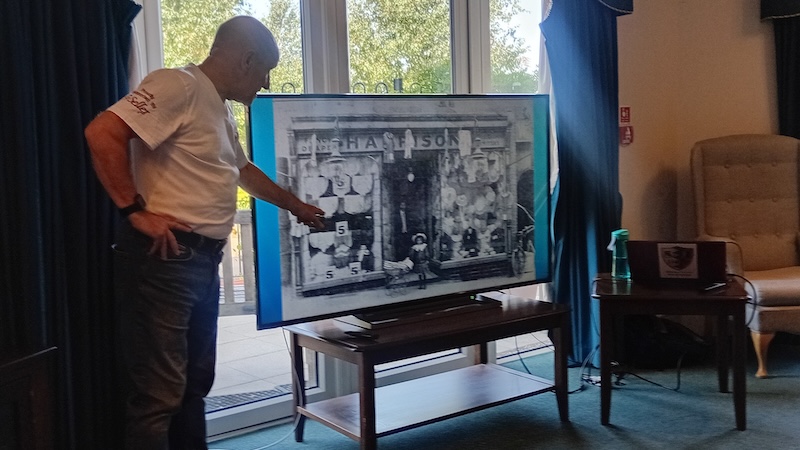
Care homes that offer dementia care will provide homely surroundings that feel familiar and easy to navigate, which can help individuals feel at home from the moment they move in. Each resident will have their own private bedroom and many homes encourage residents to bring sentimental items, small items of their own furniture or personal touches to make the room feel like their own. Activities are tailored to specific hobbies and capacities, helping residents stay connected to their interests and independence.
It is important to remember that when somebody moves into a care home, their relationships with their family and friends don't end. Care homes work closely with loved ones to ensure they continue to play a part in each resident's journey through regular visits, invitations to in-house events or trips out into the local community.
Many dementia-friendly care homes also offer an all-inclusive care service. This means that most or all services they receive are included in their weekly fee. Many older adults worry about how they will afford to run their home as they age and residing in a care home can alleviate this for them. Residents won't need to worry about any additional costs such as electricity, water or meals as this is all included in what they pay, so they can focus on continuing the things they love most.
Planning Ahead and Booking Tours
Sometimes the move into a care home comes as an emergency decision, but often families will have time to prepare and explore options to see what suits their loved one best. We would recommend visiting multiple care homes in your target area, asking about their dementia care services, seeing their facilities first-hand and seeing if it is somewhere your loved one could call home in the future. Talking to the care team can provide great reassurance for both residents and their family members.
Some common trust signals that can help you understand the quality of a care home include their CQC (Care Quality Commission) rating, carehome.co.uk score, Google Reviews score and food hygiene rating.
If you aren't sure about the type of care that your loved one should receive, talking to the care home teams can help you get a better understanding. They are trained to carry out care assessments and identify the type of support that would be best for an individual living with dementia.


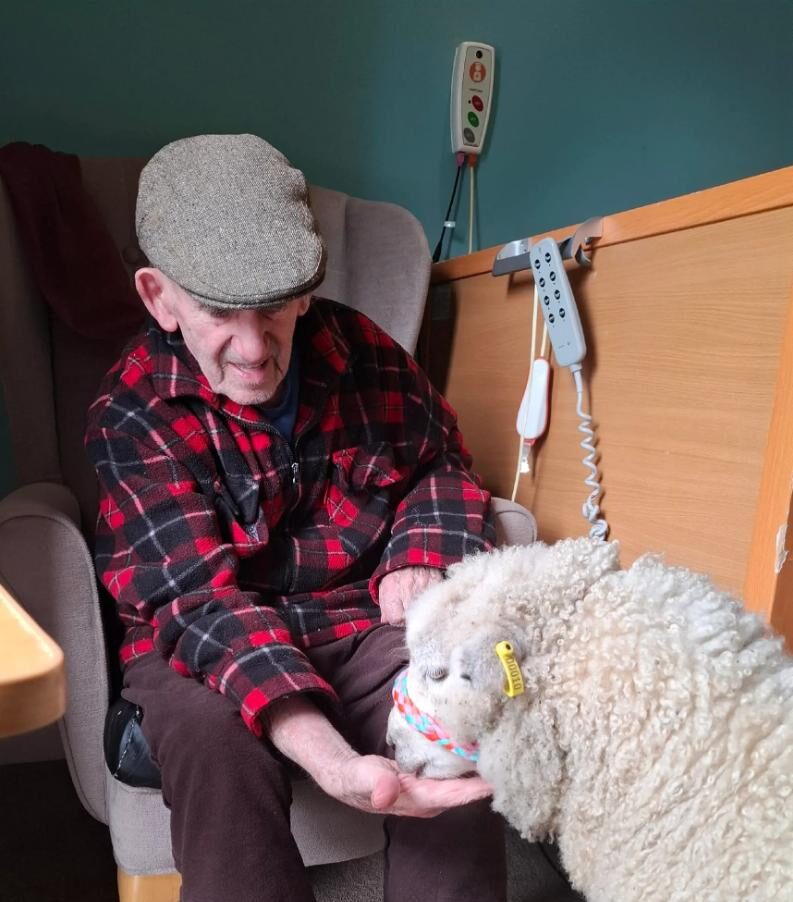
Compassionate Dementia Care at The Ashton Care Home
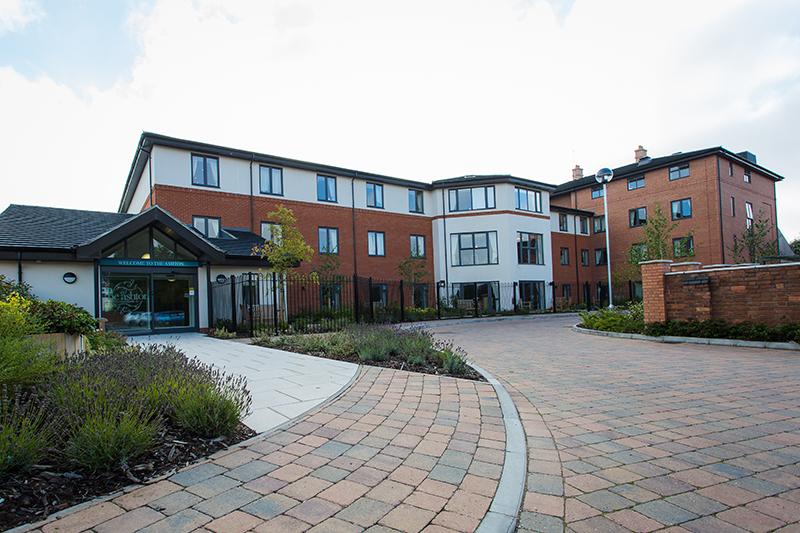
At The Ashton Care Home in Hinckley, we understand that choosing to transition into a care home is a significant and emotional decision. Our experienced and friendly team are on hand around the clock to support both you and your loved one every step of the way.
As well as dementia care, we provide residential care, nursing care, respite care and palliative care in a warm and supportive environment, meaning residents truly have a home for life with us. They can enjoy peace of mind that no matter how their care needs progress, they won't need to find somewhere else to live. This is especially beneficial to our residents living with dementia, as they can remain in a comfortable and familiar environment while focusing on the things they love.
We tailor each resident’s care to their individual needs, preferences, hobbies and life story to ensure their physical and emotional well-being are holistically supported. With welcoming living areas, regular, meaningful activities and a focus on person-centred support, The Ashton provides a safe and reassuring setting for residents and their families.
Whether you require imminent dementia care for a loved one or are simply exploring options for the future, get in touch and book a tour at The Ashton. We are here to support you every step of the way.